

Winter Maintenance Checklist: Key Areas to Focus On
June 4, 2026

As temperatures drop, Body Corporate buildings begin to reveal the areas that need the most attention, particularly shared systems, exterior weatherproofing and common property.
A proactive approach now can help reduce repair costs, minimise disruption for residents and protect long term property value.
Here are the key areas to focus on this winter:
- Roofs, gutters & drainage: Keep gutters and drains clear, and ensure water is flowing away from the building effectively
- Moisture & ventilation: Watch for condensation and ensure ventilation systems are working properly
- Heating & shared systems: Service systems ahead of peak demand to avoid winter breakdowns
- Building exterior & weatherproofing: Check seals, cladding, balconies, and external coatings for any wear or damage
- Emergency readiness: Make sure residents know who to contact in an emergency and how to report issues quickly
A well-maintained building is not just about fixing issues when they arise, it is about preventing them in the first place. If your Body Corporate would like support reviewing winter maintenance priorities or planning ahead, our team is here to help.
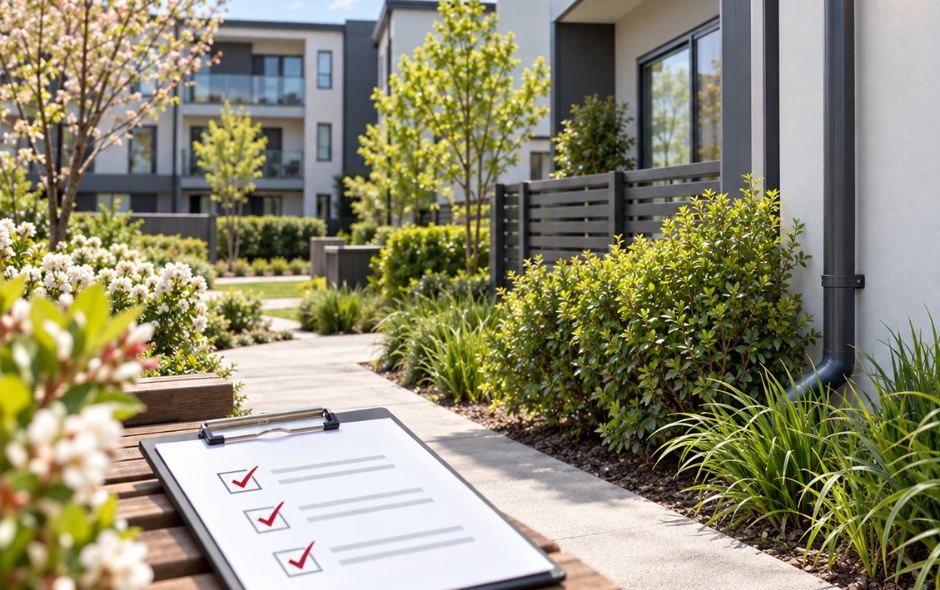
With winter behind us, September is a good time for body corporates to inspect common property and identify any damage caused or revealed by the colder, wetter months. A thorough spring inspection can help uncover maintenance issues early, before they develop into more costly problems. Here are some areas worth checking: Building exteriors: Look for cracks, peeling paint, damaged cladding, staining or other signs of moisture. Roofs and drainage: Check roofs, gutters, downpipes and drains for damage, leaks or blockages that may have appeared over winter. Paths and outdoor surfaces: Inspect paths, steps and paved areas for cracks, uneven surfaces, moss or slippery patches that could create a safety risk. Windows and doors: Check common-area windows and doors for damaged seals, leaks, draughts or hardware requiring attention. Lighting and security: Make sure common-area lighting, entry systems, gates and other security features are operating correctly. Trees and vegetation: Look for overgrown or damaged trees and plants that may be affecting buildings, fences, paths or power lines. Once the inspection is complete, record any issues, prioritise urgent repairs and consider whether upcoming work needs to be included in the body corporate’s maintenance planning. Regular inspections help protect the property, support informed budgeting and keep shared spaces safe and well maintained.

Effective property management relies on communication and collaboration between the committee, residents, and the Building Manager. One of the most valuable ways residents can help maintain their property is by reporting maintenance issues early. Prompt reporting prevents minor problems from becoming costly repairs, ensures safety, and keeps communal areas in top condition. Why Reporting Matters Even small issues, such as a leaking tap, a blocked gutter, or damaged communal furniture, can escalate if not addressed promptly. By encouraging residents to report issues as they arise, committees supported by their Building Manager can: Prevent damage from worsening Reduce repair costs Maintain property value Ensure a safe and comfortable environment for everyone How We Help If CBCS is your Building Manager, we make the reporting process simple, transparent, and effective: Simple Reporting Channels: We provide clear methods for residents to log issues, whether by email, online form, or phone. Tracking and Prioritising: We keep a detailed log of all maintenance requests and work with the committee to prioritise urgent repairs. Coordination with Contractors: We liaise with trusted contractors to schedule and manage repairs efficiently. Communication with Residents: We keep residents informed on the progress and resolution of reported issues, so everyone knows their concerns are being addressed. Building a Culture of Reporting By creating a system that is easy to use and backed by responsive management, committees can foster a culture where residents feel confident reporting issues. With our guidance, reported issues are not only resolved quickly but also documented for accountability, planning, and future maintenance considerations. When residents feel empowered to report maintenance concerns and committees have the support of an experienced Building Manager, properties remain well-maintained, safe, and harmonious for the entire community.

Not every decision will please everyone. In Body Corporate living, decisions often affect multiple owners, each with different views, priorities, and expectations. So it’s no surprise that people don’t always see things the same way. The reality is, full agreement isn’t always possible. But decisions still need to be made with the wider community and the long-term interests of the property in mind. This is where respectful discussion, clear communication, and being open to other perspectives can make a real difference. A successful Body Corporate isn’t one where everyone agrees all the time. It’s one where people can work through differences, make informed decisions, and keep moving forward together. Shared ownership means shared decision-making, and finding the right balance is simply part of the process.
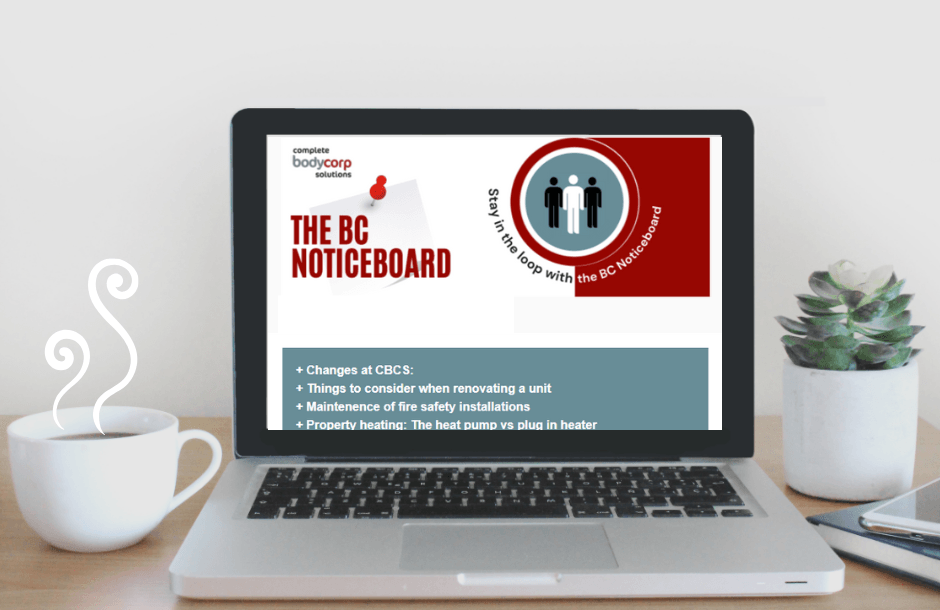
View our August 2026 BC Noticeboard - Quarterly Newsletter - Welcome - Important Notices & Reminders - Encouraging Residents to Report Maintenance Issues - Quick Tips: Managing Energy Use in Shared Areas - Winter Maintenance Checklist - Stay Connected: Get weekly updates on our Facebook page! https://public2.bomamarketing.com/email/bLXl

Body corporate committees play an important role in helping communities run smoothly. While committee members come from a variety of backgrounds and experiences, some of the most effective committees have a few things in common: • They take a long-term view when making decisions • They consider the interests of the wider community • They come prepared and informed • They communicate openly and respectfully • They focus on finding practical solutions Being a committee member isn't always easy, and it often involves balancing different perspectives and priorities.A well-functioning committee can make a significant difference to the success of a body corporate and the experience of those who live and own within it. A big thank you to the committee members who generously give their time to support their communities.

Body corporate committees and owners are often asked to make decisions that can shape a building and community for years to come. Sometimes it’s approving maintenance work. Other times it’s working through budgets or planning for future projects. And often, it’s decisions that aren’t as straightforward as they first appear. That’s why having the right information in front of you really matters. Taking the time to go through reports, understand recommendations, and ask the right questions can make a big difference in how confident those decisions feel. Not every decision will be simple, and not every outcome will suit everyone. But when decisions are based on clear, accurate information, the results are usually stronger and more sustainable for the whole community. Good information doesn’t make the decision for us, but it definitely helps us make better ones.
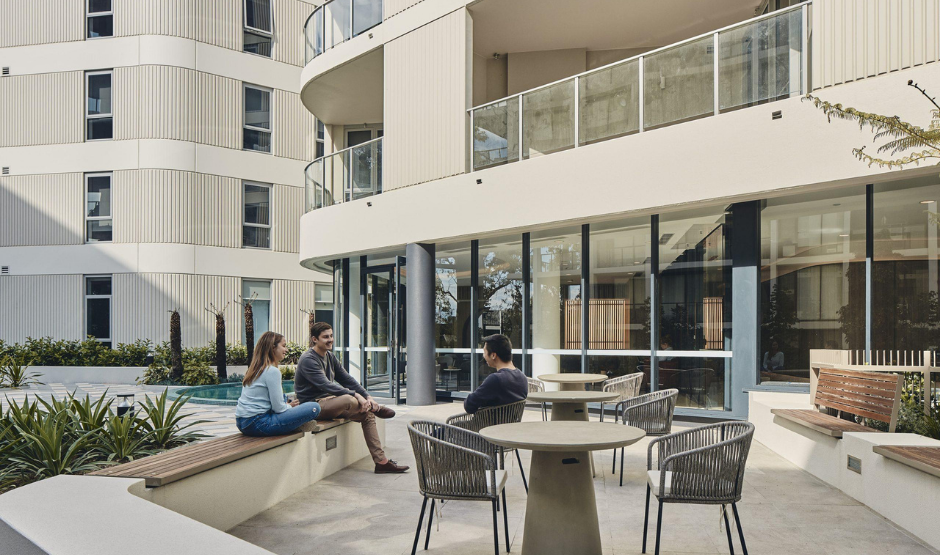
Body corporate rules can sometimes feel restrictive or unnecessary, but they're designed to help communities live and manage shared property successfully. In most cases, these rules are intended to: • Help protect owners' investment and the long-term condition of the property • Promote fairness between owners and occupiers • Help minimise disputes, risks and avoidable costs • Provide clarity around shared responsibilities Without agreed rules in place, shared living can quickly become inconsistent and difficult to manage, particularly when it comes to maintenance, parking, noise, pets and alterations. While they may not always be popular, body corporate rules help create consistency and set clear expectations for everyone involved. If you've ever wondered why a particular rule exists, there's often a practical reason behind it. Many rules have been shaped by real-life situations and lessons learned over time. Understanding the "why" behind the rules can make them much easier to appreciate and follow. Have you ever found that a body corporate rule made more sense once you understood the reason behind it?

Most body corporate disputes don’t start as “big issues”. They start small. Quiet. Easy to ignore… until they aren’t. A parking space that doesn’t feel clear. A noise issue that keeps happening. A pet rule that feels inconsistent. A maintenance job that nobody agrees on. A levy increase that wasn’t expected. Individually, they’re minor frustrations. Together, they can quickly turn into conflict in a complex. In our experience, these are the most common triggers: • Parking confusion: Visitor spaces, allocated bays, and unclear rules are a constant source of tension. • Noise complaints: What’s “normal living” to one person can feel disruptive to another. • Pets in the complex: One of the most common (and emotional) rule areas. • Maintenance responsibilities: Unclear boundaries between owners and body corporate = frustration on both sides. • Levies and timing: Increases, expectations, and what’s actually included are often misunderstood. The positive? Most of this is avoidable. Clear communication early on, and a shared understanding of the rules, prevents most issues from escalating in the first place. If something doesn’t seem clear in your complex, it’s always worth asking early - it can save a lot of time, stress, and conflict later on.

Once your Body Corporate AGM has taken place, there are a few important steps that follow to ensure everything agreed at the meeting is actioned and properly recorded. Here’s what typically happens next: Meeting minutes are finalised and distributed - so all owners have a clear record of what was discussed and agreed Approved budgets and levies are implemented - including any updates for the new financial year Agreed maintenance or capital works are scheduled - with timelines and contractors arranged where required Key decisions are communicated to owners - to ensure everyone is informed of outcomes and next steps Records are updated - to reflect resolutions, committee changes, and financial approvals The period after the AGM is where decisions are put into action, helping ensure the Body Corporate continues to operate smoothly and effectively throughout the year. If you have any questions following your AGM, our team is here to help.